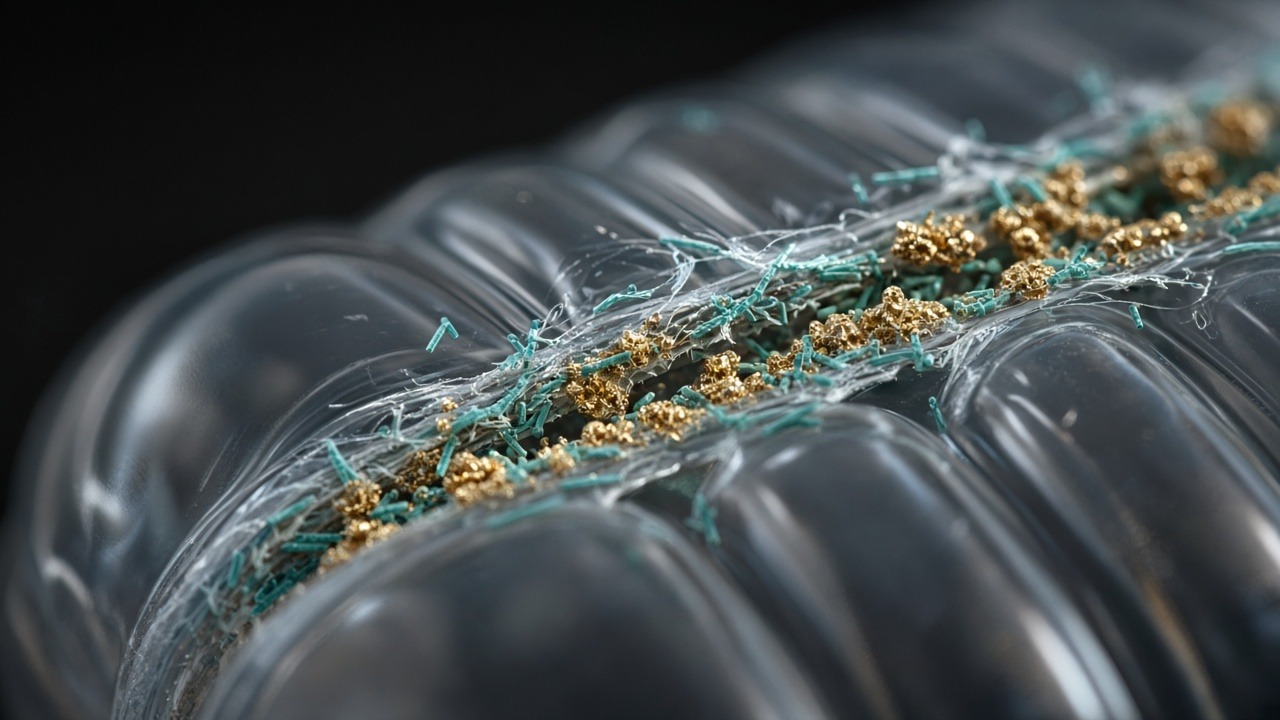
A free tool now helps scientists find tiny living helpers that break down everyday plastic, like water bottles and polyester clothes. It is called PlasticEnz, and it came out on January 26, 2026 from researchers at KU Leuven, published in PLOS Computational Biology.
Some microbes make special proteins that snip plastic into smaller pieces. Scientists call those proteins plastic-cutting enzymes. Finding which microbes have them used to take a long time. PlasticEnz speeds that search. Scientists feed it DNA or protein data from soil, sludge, or packaging-related samples. The tool sorts the data and points to the microbes most likely to carry those plastic-cutting enzymes. The code and database are free and public.
That matters because plastic is useful and stubborn at the same time. PET is the clear plastic in water bottles, food trays, and a lot of polyester clothing. Most of us touch it every day. The problem is that it does not break down the way food scraps or paper do. It sticks around for a very long time, piles up in landfills and waterways, and leaks tiny bits into soil and oceans. Regular recycling helps, and it still leaves a lot of plastic hard to handle. PlasticEnz gives researchers a faster way to find natural helpers for better recycling designs and careful cleanup research.
PlasticEnz looks for helpers across 11 kinds of plastic. It is strongest on PET and a softer bioplastic called PHB. In tests, it found enzymes scientists already knew were real. Out in the world, plastic-polluted city soils showed more promising signals than clean hot-spring soils from Kamchatka. So the tool is already pointing scientists toward places and microbes worth studying.
Lab work still has to prove each candidate, and a software match is not a finished cleanup plan. Even so, the direction is bright. Recycling designs start from real microbial recipes instead of guesswork. Cleanup research gets a shorter list of microbes to test. Open science like this speeds the early search, clears the path for better systems, and brings us closer to handling the plastics we already live with.